From Japan to Your Screen: The Global Celebration of Anime Day

🎌 What Is Anime Day (April 15)?
Anime Day on April 15 is one of those beautifully fandom-driven celebrations that exists purely because people love something enough to honour it ✨ It’s not official, it’s not corporate—it’s powered by fans across the world who connect through anime, no matter where they’re from.
And what makes it really special? It doesn’t belong to just one fandom—it belongs to all of them.
📜 A Bit of History
Anime Day grew out of online fandom spaces—early forums, fan sites, and eventually social media—where fans from different countries started sharing their love of anime in real time. April 15 became a kind of unofficial meeting point, a date where fans could collectively celebrate the impact anime has had globally.

It reflects something bigger than just a single series. It marks the shift of anime from a primarily Japanese medium into a worldwide cultural force that connects people across languages and borders.
🌍 A Truly Global Fandom Celebration
One of the coolest things about Anime Day is how it’s celebrated differently depending on where you are.

In Japan, anime is part of everyday culture, so celebrations tend to be more integrated—fan art, merchandise drops, and themed events often blend into the existing anime scene.

In North America and Europe, including here in Canada, it leans more into fandom expression—cosplay, themed posts, watch parties, and conventions. Fans who grew up with series like Sailor Moon or Dragon Ball Z often celebrate with a mix of nostalgia and community.

In places like Latin America, anime fandom is incredibly passionate and social, with large online communities sharing edits, memes, and live reactions. Meanwhile, in parts of Southeast Asia, anime blends seamlessly with local pop culture, with fans celebrating through art, fashion, and gaming.
Different cultures, same love—it’s kind of amazing.
🎉 What Happens on Anime Day?
Anime Day doesn’t follow a script, but there are definitely some shared traditions across fandoms.
Fans rewatch favourite series or finally dive into long-running shows like One Piece (commitment level: high 😄). Cosplayers share their latest looks, sometimes planning full photoshoots just for the day. Artists post fan art, writers share stories, and collectors show off shelves filled with figures and merch.

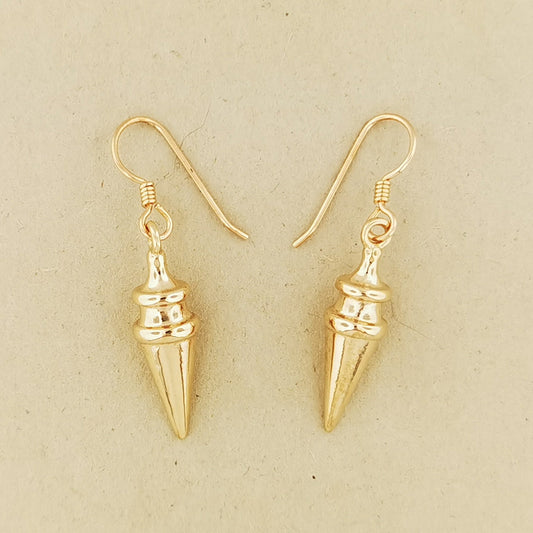
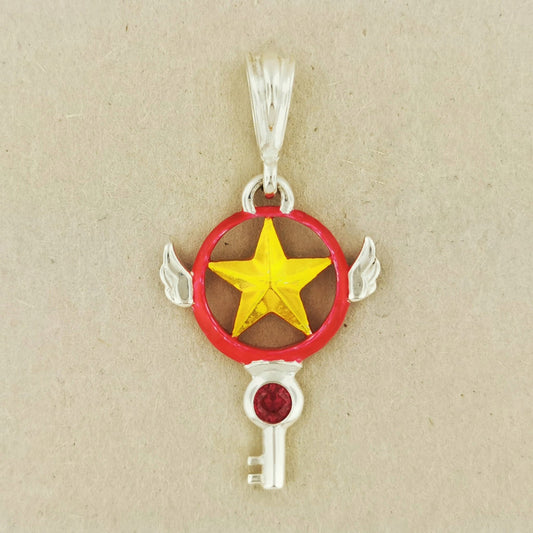
Small businesses and creators also join in, showcasing anime-inspired pieces and celebrating the fandoms that inspire their work.
And of course, there’s a lot of online energy—posts, edits, discussions, and those “what are you watching today?” threads that somehow pull everyone in.
🎥 Anime in Global Pop Culture
Anime has gone from niche to mainstream in a way that’s hard to ignore.
Series like Naruto, Attack on Titan, and Demon Slayer: Kimetsu no Yaiba have become global phenomena, influencing everything from fashion to music to storytelling styles.

Studios like Studio Ghibli have introduced audiences worldwide to a softer, more emotional side of anime, while action-heavy series have brought in entirely new fans who might never have watched anime before.
Anime isn’t just crossing borders anymore—it’s shaping culture across them.
💫 Why Anime Day Matters to Fandoms
Anime Day works because it’s rooted in community. It’s a shared moment where fans across different fandoms—whether you’re into magical girls, mecha, slice-of-life, or dark fantasy—can all celebrate together.
It’s also a reminder that fandom doesn’t have to be local to feel meaningful. You can connect with someone halfway across the world over the same character, the same storyline, the same emotional moment.
That kind of shared experience? That’s what keeps anime fandoms so strong.
✨ Final Thoughts
Anime Day isn’t about big events or official recognition—it’s about connection. It’s about fans showing up, sharing what they love, and celebrating stories that have travelled across the world to reach them.
However you celebrate—watching, creating, collecting, or just appreciating—it all counts.
Because at the end of the day, anime is global… but fandom makes it personal!
Thanks for reading,